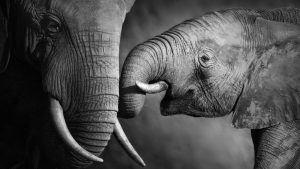
 Meaning and language are commonly thought to be the exclusive province of humans. But is this thinking simply our own anthropocentric conceit? On November 2, 2019, Menakka and Essel Bailey ‘66 Distinguished Visiting Scholar in the College of the Environment Charles Siebert led a discussion about the nature of meaning in the world, the myriad of forms in which it manifests, and the many ways in which they inform our place in the world. The discussion, What on Earth Are They Saying: Listening and Learning Beyond the Human, was the 17th Annual Where on Earth Are We Going? seminar sponsored by the Robert F. Schumann Institute of the College of the Environment.
- Watch a recording of the seminar here: Where on Earth Are We Going?
Charles Siebert is the author of three critically acclaimed memoirs, The Wauchula Woods Accord: Toward a New Understanding of Animals, A Man After His Own Heart, and Wickerby: An Urban Pastoral, a New York Times Notable Book of 1998, as well as a novel, Angus; an e-book Rough Beasts: The Zanesville Zoo Massacre One Year Later; and a children’s book, The Secret World of Whales. A poet, journalist, essayist, and contributing writer for The New York Times Magazine, he has written for The New Yorker, Harper’s Magazine, Vanity Fair, Esquire, Outside, Men’s Journal, National Geographic, and numerous other publications. He presently teaches creative writing at NYU Abu Dhabi.
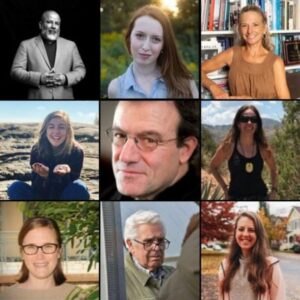
Siebert’s seminar was followed by a panel discussion with COE Think Tank members Camille Britton ‘20; Anthony Hatch, associate professor and chair, Science in Society Program; Antonio Machado-Allison, visiting scholar, College of the Environment; Sara McCrea ‘21; Helen Poulos, adjunct assistant professor of Environmental Studies; Charles Siebert,; Courtney Weiss Smith, associate professor of English; Melissa Thornton ‘20; and Kari Weil, University Professor of Letters.
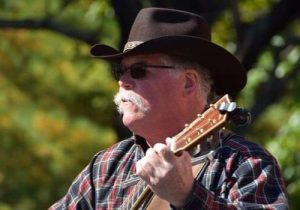
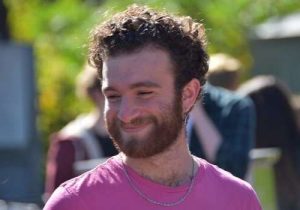
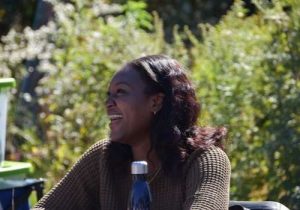
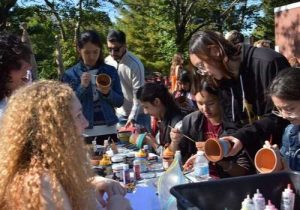
 Last weekend various Wesleyan sustainability groups joined local community gardeners, farmers, and activists for a conference on all things urban farming and food justice. The event was cosponsored by the Green Fund, the Middletown Economic Development Commission, the College of the Environment, the Wesleyan Resource Center, the Science in Society Program, and the African American Studies Department. With this wide array of support, student coordinators were able to collaborate with local stakeholders to put together a conference that was able to bridge the gap between Wesleyan and the surrounding community, as well as to provide the space for connections between Wes sustainability groups.
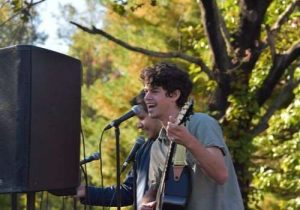
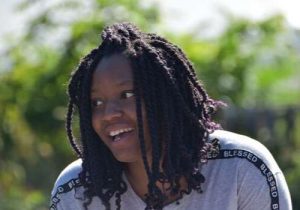 On Saturday, October 5, hundreds of Wes and Middletown community members spent their day soaking up the sun at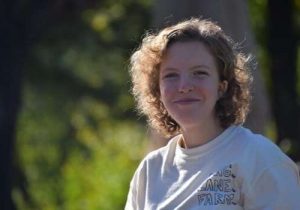
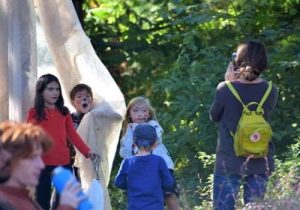
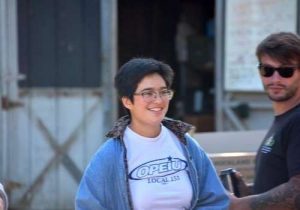

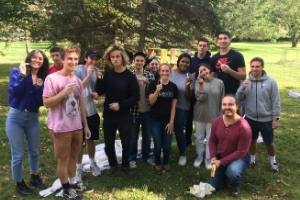
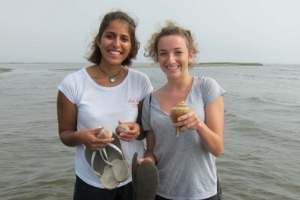 A conversation with Professor Michael Singer, Professor of Biology and Environmental Studies, about his Fall 2019 course BIOL 220/ENVS220: Conservation Biology. The course is a broad introduction to the interdisciplinary, science-based field of conservation biology. While the course includes aspects of economics, politics, ethics, and other fields, it focuses on the biological part of conservation. Much of this biology is ecology, which is Singer’s specialty. At left: BIOL220/ENVS220 students and visitor Dr. Paul Spitzer on a field trip earlier this semester.