senior spotlight: maggie monaghan ’24

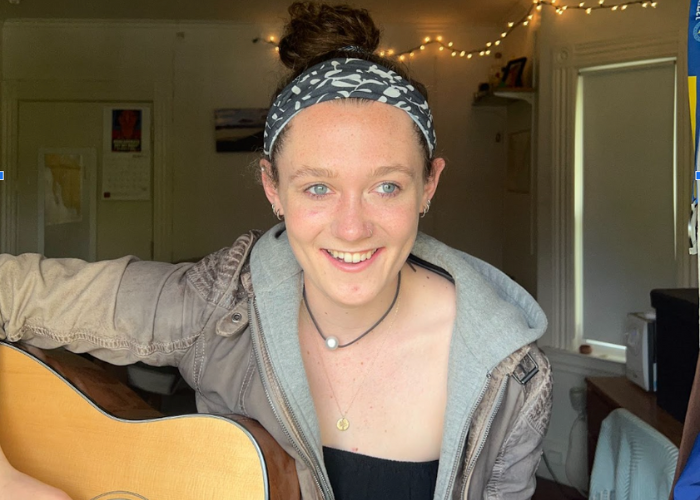
Maggie Monaghan’24, is an American studies and environmental studies major and an electee of Wesleyan’s Gamma Chapter of Phi Beta Kappa. Maggie is developing a thesis on the influence of naturalist and writer Alexander von Humboldt, and how language plays a central role in the development of culture and our conceptions of history. As a recipient of a Bailey College of the Environment summer fellowship she had the opportunity to work on a musical about Alexander von Humboldt, set in the modern day.

Read more

meet our 40+ summer 2023 fellows!

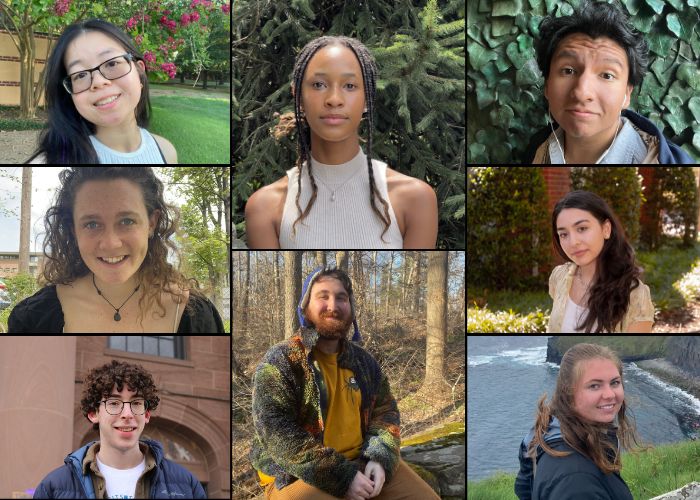
Every year, the COE awards fellowships to fund summer (and spring and fall) research opportunities for Wesleyan students across all majors and class years. Most recently, the COE awarded more than 40 fellowships to Wes students. Learn a little bit more about each, below! Applications for summer 2024, fall 2024 and spring 2025 Bailey COE fellowships will open in January 2024.

Read more

weiner ’24 explores 1947 texas city disaster

Arlo Weiner ‘24 is a history and Middle East studies major. For his thesis, he is creating a documentary about the 1947 Texas City Disaster in which 576 people were killed and more than 3,000 injured. With the assistance of a 2023 Bailey COE summer fellowship, he spent his summer in Texas City and Galveston, meeting with witnesses of the disaster and conducting historical research. 

What led you to choose the Texas City Disaster as the subject for this documentary project? 
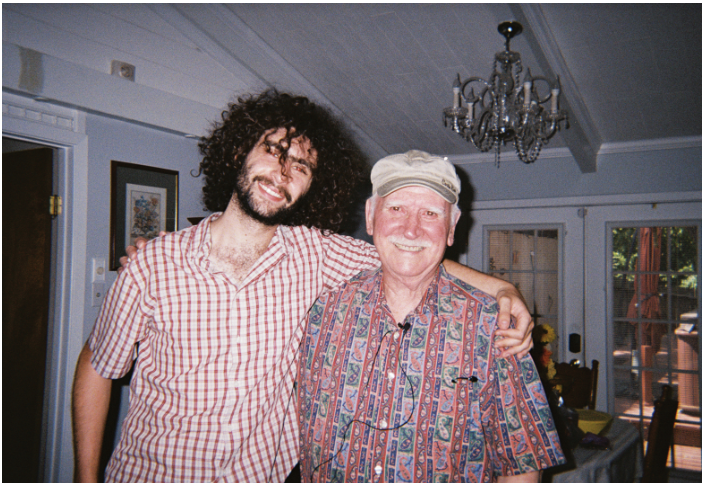
I picked this project because I was able to get in touch with a man named Carl Trepagnier, who wrote a fictionalized account of his experience of the disaster entitled Rise Up: A Novel about the 1947 Texas City Explosion. He offered to bring me to the town and offered to show me around and introduce me to other people who also lived through the disaster.

Read more

andrews ’24 retraces her great-grandfather’s farming footsteps

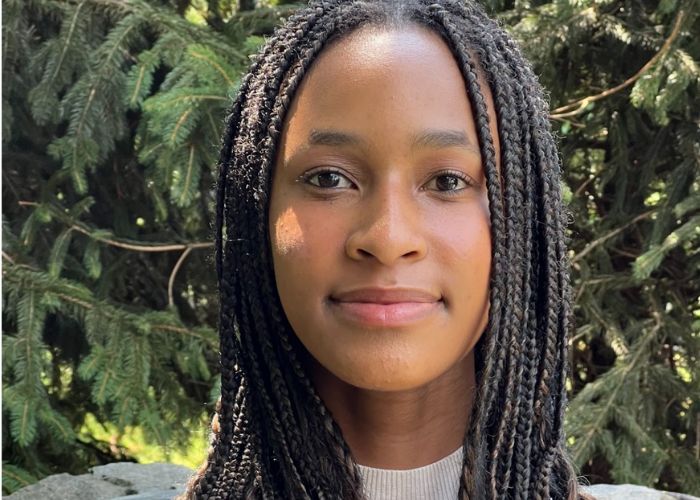
Every year, the Bailey COE awards fellowships to fund summer research opportunities for Wesleyan students across all majors and class years. Most recently, the COE awarded 35 summer fellowships and 1 fall fellowship to Wes students. Olivia Andrews ’24 is an art history major with a minor in film. Olivia’s summer fellowship project mainly centered around her great-grandfather, Tony Andrews, a black farmer who emigrated from Cape Verde by boat in 1926 and founded the family’s farm in Cape Cod, Massachusetts.

Read more

senior spotlight: dylan campos ’24

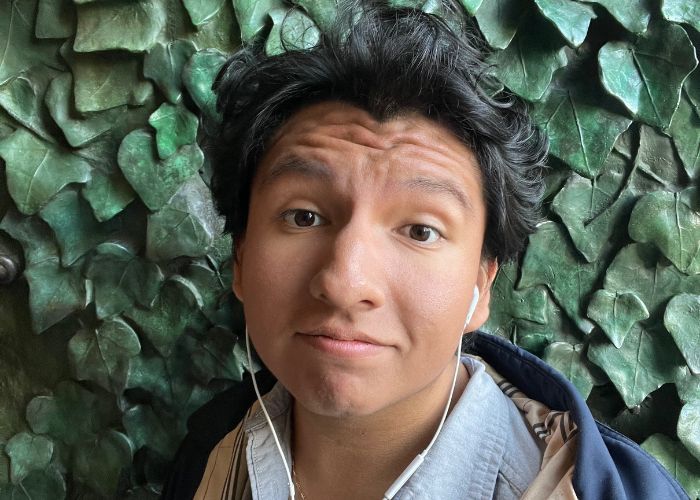
Our 33 class of 2024 ENVS linked majors have primary majors in 15 different departments, from film to government to feminist, gender and sexuality to chemistry. This diversity reflects the deep and widespread interest in environmental issues on the Wesleyan campus and our incredibly fertile coexist community! Dylan Campos ’24 (he/they) is a history and environmental studies major with a minor in global engagement. Learn more about Dylan, below!

Read more

angstadt ’25 digs coe summer fellowship opp

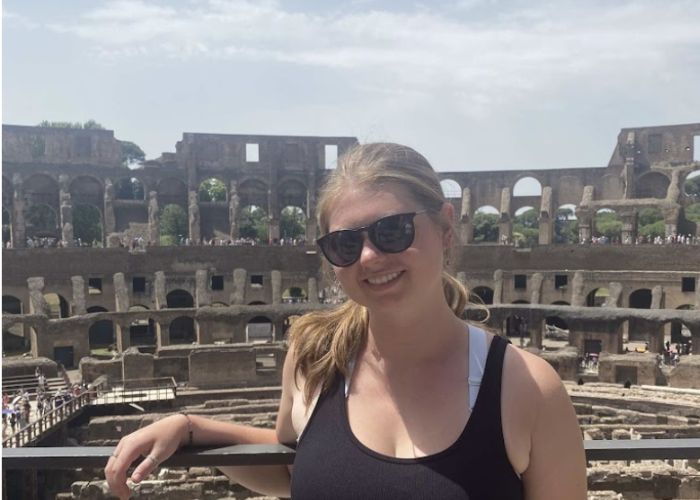
Every year, the Bailey COE awards fellowships to fund summer research opportunities for Wesleyan students across all majors and class years. Most recently, the COE awarded 35 summer fellowships and 1 fall fellowship to Wes students. Natalie Angstadt ’25 is a junior majoring in Archaeology and Neuroscience & Behavior. Last summer she engaged in an archaeological dig at Trasimeno Archaeology Field School with the Umbra Institute in Perugia, Italy.

Read more

shiffer-delegard ’23 conducts thesis research in uk

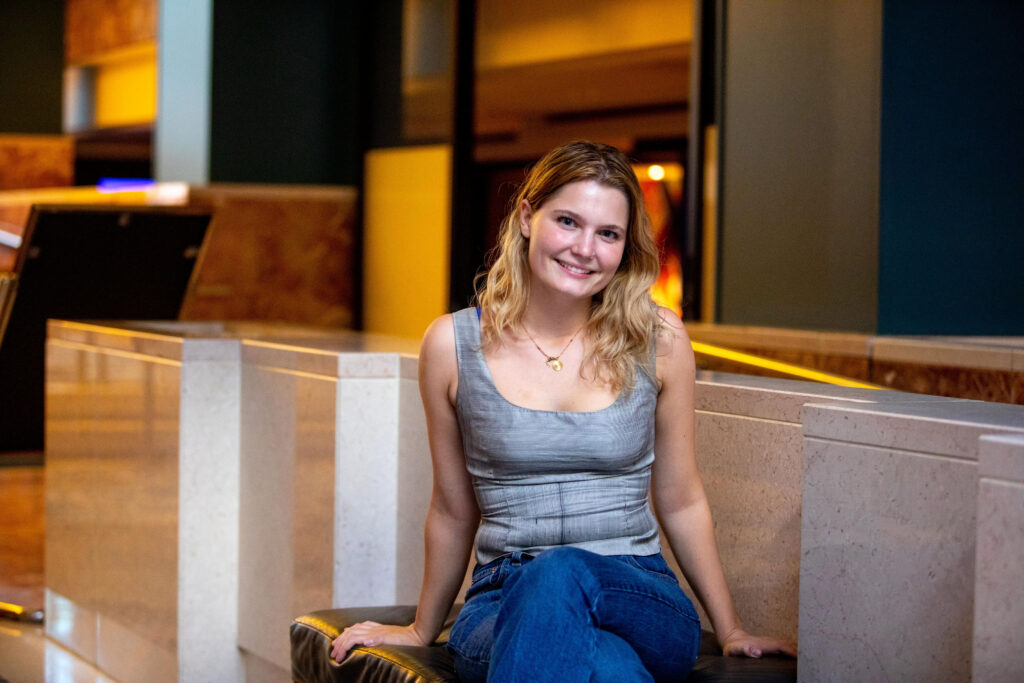
Annika Shiffer-Delegard ‘23 is a senior English and environmental studies double major. Her thesis project explores the fascinating topic of herbal abortifacients through historical and media studies lenses. The research is a thesis in environmental studies that Annika hopes will shed light on the intersection between the environmental justice and reproductive justice movements. To support Annika’s research, the College of the Environment provided funding for Annika to travel to the UK to conduct archival research at Oxford University and the Royal Academy of Physicians. 

The inspiration for Annika’s senior thesis dates back to the spring of her freshman year when, in Professor Laura Ann Twagira’s Revolutionary Women class, Annika came across the concept of herbal abortifacients: using plants to cause abortion, a practice used by indigenous women in Suriname to induce abortion so that their children wouldn’t be born into slavery. “Ever since, I just had a little twinge in the back of my brain, thinking I need to study this. It really felt like the most interesting thing ever to me,” says Annika.

Read more